About · Waltham Data Science
Built by the people who wrote the standard.
Most neuroscience labs lose data the moment a student leaves: scattered drives, ad-hoc filenames, metadata that nobody else can read. The open NDI standard — developed at Brandeis University as part of the US BRAIN Initiative — fixes the format problem. NDI Cloud is the rest: cloud storage, a DOI pipeline, and LabChat. The spec stays open; we run the infrastructure.
The team
6 people, two continents, one data model.
Brandeis, the Royal Veterinary College London, and the open neuroscience community. Everyone here has either written code for NDI, run experiments on it, or both.

Dr. Stephen Van Hooser
Founder & Technical Lead
Faculty at Brandeis University. Expert in scientific data management and neuroscience computing.
LinkedIn
Audri Bhowmick
Co-Founder & Product Lead
Formerly at PwC and Teamlift AI. NSF I-Corps and Laconia Capital Venture Fellow.
LinkedIn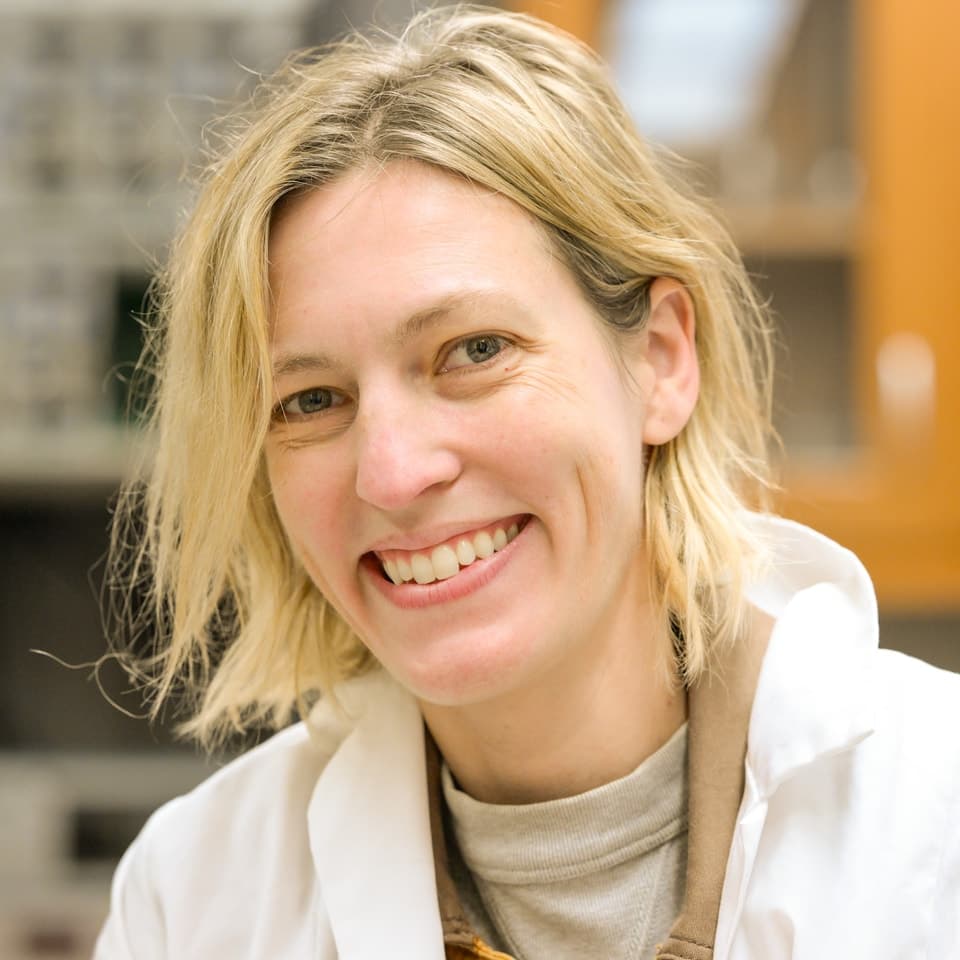
Dr. Andrea Gaede
Director of Metadata
Faculty at the Royal Veterinary College London. Expert in metadata standards and ontologies.
LinkedIn
Eivind Hennestad
Sr. Software Engineer
EU EBRAINS grantee. Over 10 years of neuroscience software development experience.
LinkedIn
Dr. Jess Haley
Data Consultant & Programmer
PhD in Computational Neuroscience from UCSD. Expert in neuroscientific data pipelines.
LinkedInSM
Sandra Maesta-Pereira
Research Intern
Supporting data curation, quality assurance, and research initiatives.
LinkedInBacked by & built on
A citable tool with help from NIH, NSF, and MathWorks.
NDI is in the Research Resource Identifier registry as RRID:SCR_023368 — meaning a paper can cite the tool itself, not just its papers. The code is open source on GitHub. Development was funded by the NIH BRAIN Initiative and NSF I-Corps; MathWorks is an official Connections Partner.
NSF I-Corps Program
Customer discovery grant

MathWorks Connections Partner
Official MATLAB integration
We do this with labs, not for them.
Bringing your data to NDI is a project, not a sign-up. We help with the upload, the metadata, the first published DOI, and the LabChat deploy. Talk to us before you start.